

The Best Ways to Create a Digital Marketing Strategies for Small Businesses in 2026 #4 could be a game changer
- December 27, 2025
- Digital Marketing
In 2026, digital marketing has become a must have for small businesses, it’s not just a choice anymore; it’s a strategic, measurable, and vital part of thriving in today’s market.
The tactics that worked in the past, like random posts, hit-or-miss ads, and one-size-fits-all campaigns, simply won’t cut it anymore.
The Best Ways to Create a Digital Marketing Strategy for Small Businesses in 2026 #4 could be a game changer, might be the best article you will see on the Internet today
Today’s consumers are looking for relevance, personalization, value, and quick responses.
To stay ahead of the game, small businesses need to craft their digital marketing strategies with a clear vision, a touch of creativity, and a solid foundation of data-driven insights.
This guide will walk you through the most effective and future, a ready way to build a digital marketing strategy that’s perfect for small businesses stepping into 2026.
1. Start with a Clear Understanding of Your Market and Audience
Every successful strategy kicks off with a solid grasp of who your audience is and what they need.
Small businesses often fall into the trap of trying to market to “everyone,” which can water down their message and lead to wasted resources.
Key actions:
- Develop detailed customer profiles that include demographics, behaviors, pain points, motivations, and buying habits.
- Utilize analytics, surveys, and customer interviews to confirm your assumptions and fine-tune your audience definitions.
- Focus on collecting first party data from the get-go, think email sign-ups, website interactions, and CRM records, especially as third-party cookies become less reliable.
Why it matters:
Knowing your audience allows for tailored messaging, minimizes wasted ad spend, and boosts conversion rates.
2. Set SMART Business and Marketing Goals
Before diving into channel selection or content creation, it’s crucial to establish Specific, Measurable, Achievable, Relevant, and Time-Bound (SMART) goals for your strategy.
Examples:
- “Gain 300 new local leads in Q1 2026 through organic content and paid search.”
- “Boost returning customer revenue by 20% with automated email flows by June.”
Having clear goals helps you allocate your budget wisely, pick the right KPIs, and focus on what truly matters.
3.Harnessing AI and Automation to Boost Efficiency
Artificial Intelligence (AI) and automation tools have evolved from being mere luxuries to essential components that enhance results without the need for extensive teams or hefty budgets:
Where AI shines:
- Predictive analytics that help anticipate demand and understand customer behaviour.
- Automated content creation, scheduling, and performance enhancement.
- AI-powered audience segmentation and tailored messaging.
Agency insight:
Think of AI as a tool to amplify your brand voice rather than replace it.
Provide these tools with genuine customer insights and tone guidelines to ensure that automation feels personal and relevant.
4. Create Content That Educates, Engages, and Converts
a. Short-Form and Social Video Content
By 2026, short videos will be the most captivating content format:
Platforms like TikTok, Instagram Reels, and YouTube Shorts lead the way in engagement.
Behind-the-scenes glimpses, tutorials, testimonials, and product showcases are key to driving discovery and conversions.
Agency recommendation:
Stay committed to a regular short-form video schedule that resonates with your brand story and addresses your customers' challenges.
b. Long-Form and SEO Content
SEO is still crucial for visibility, especially local SEO for small businesses:
Make sure your website is optimized for voice search and conversational queries.
Target local search phrases (like “best [service] near me”).
Create blogs, educational articles, and resource pages that attract long-tail search traffic.
c. Interactive and Immersive Experiences
Interactive content, such as quizzes, polls, and engaging visuals, boosts engagement and keeps visitors on your platforms longer.
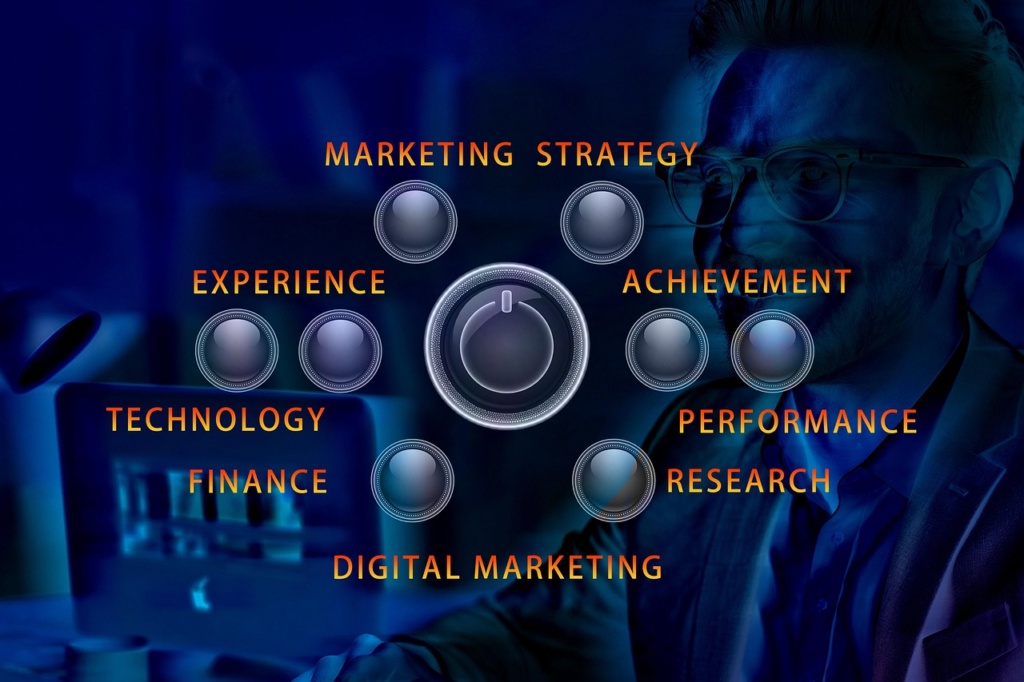
5. Embrace an Omnichannel Approach Aligned with Customer Journeys
A contemporary digital marketing strategy doesn’t just focus on one channel; it weaves together experiences across various touchpoints to connect with customers wherever they are.
Core components:
SEO and local search optimization are essential for boosting your organic visibility.
Utilizing social media, both organic and paid, helps raise awareness and foster engagement.
Email and SMS marketing play a crucial role in retaining customers and nurturing relationships.
Paid advertising (PPC) provides immediate reach and allows for measurable ROI.
It's important that each channel maintains consistent messaging and directs the audience toward your business objectives.
6. Leverage Local Marketing and Community Engagement
For small businesses with physical locations or service-based models, local visibility is a key driver of growth:
Make sure to optimize your Google Business Profile and actively encourage reviews.
Get involved in community events and form partnerships.
Utilize geo-targeted ads to connect with nearby customers who are ready to make a purchase.
Implementing local SEO and creating local content will help your business show up in intent-driven searches, bringing in more real-world customers.
7. Personalization Must Be Strategic and Ethical
Today’s consumers expect experiences that are tailored to their individual needs:
Segment your audience based on their behaviour, purchase history, and preferences.
Provide personalized recommendations and campaign messaging that feel relevant rather than intrusive.
Prioritize privacy:
As data privacy regulations become stricter, focus on obtaining explicit opt-ins and respecting user consent.
Being transparent about your data practices helps build trust and fosters long-term relationships.
8. Track, Analyze, and Iterate Continuously
No strategy can thrive without performance data. Set up a solid measurement framework:
Identify KPIs that align with your goals (like traffic, lead quality, and conversion rates).
Leverage analytics tools (such as Google Analytics 4, social analytics, and CRM dashboards).
Conduct regular reviews, whether weekly or monthly, and optimize based on the insights you gather.
Key metrics to focus on include:
Customer acquisition cost (CAC)
Return on ad spend (ROAS)
Lifetime customer value (LCV)
Ongoing optimization ensures your strategy adapts to market changes and evolving customer behavior
9. Embrace Experimental, Creative Campaigns
In the world of digital marketing in 2026, embracing experimentation is key:
Explore new formats like live commerce and interactive stories.
Consider teaming up with micro-influencers to connect with specific audiences through genuine voices.
Make the most of your high-performing content by repurposing it across different platforms for better efficiency.
Innovation sets your brand apart and opens up exciting new opportunities.
Conclusion:
Crafting a Winning Digital Marketing Strategy for 2026
For small businesses, 2026 isn’t just about ramping up marketing efforts, it’s about honing in on the right strategies with precision and purpose.
For small businesses in 2026, a successful digital marketing strategy should be:
Focused on the audience
Enhanced by AI
Driven by data
Omnichannel
The brands that will truly shine aren’t necessarily those with the largest budgets, but rather those that have a clear vision, a solid grasp of their audience, and the commitment to follow through consistently.
A top-notch digital marketing strategy in 2026 hinges on a deep understanding of customers, well-defined and measurable objectives, smart use of AI and automation, and a cohesive omnichannel approach that engages customers at every step of their journey.
Content should aim to educate and foster trust, personalization must honour privacy, and decisions should be driven by data rather than mere assumptions or fleeting trends.
Small businesses that view digital marketing as a long-term growth engine instead of a quick-fix promotional tool will find themselves with a significant edge.
By continuously testing, analyzing, and fine-tuning their strategies, they can adapt to market changes, shifts in consumer behaviour, and new technologies without losing their stride.
In the end, the most effective digital marketing strategy for 2026 is one that is thoughtful, ethical, scalable, and unwaveringly focused on the customer.
When done right, it goes beyond just attracting traffic or generating leads; it cultivates authority, fosters loyalty, and drives sustainable business growth.
Related
About us and this blog
We are a digital marketing company with a focus on helping our customers achieve great results across several key areas.
Request a free quote
We offer professional SEO services that help websites increase their organic search score drastically in order to compete for the highest rankings even when it comes to highly competitive keywords.
Subscribe to our newsletter!
More from our blog
See all posts




Recent Posts
- The Best Ways to Create a Digital Marketing Strategies for Small Businesses in 2026 #4 could be a game changer December 27, 2025
- 10 Best Alternatives to Facebook You Must Know #4 could tell where to grow your business November 24, 2025
- The Overall Best Strategist To Land Your First 100+ Paying Clients Within 30days October 12, 2025

Definitely agree that a more strategic approach is needed – random posts just aren't effective anymore. I found some interesting related insights on https://tinyfun.io/game/pokemon-merge about adapting to changing online trends.